
If you’ve lived in Omaha for more than one spring, you already know the drill. The sky turns that particular shade of greenish-gray, your phone starts screaming alerts, and somewhere in the back of your mind, you remember your car is sitting in the driveway. Again.
Hail is one of the most frustrating weather hazards for vehicle owners in the Midwest — partly because it’s unpredictable, partly because the damage is so visible, and partly because a good-sized storm can happen fast.
According to the National Oceanic and Atmospheric Administration (NOAA), Nebraska consistently ranks among the top states for damaging hail events each year, and the greater Omaha metro is squarely in what meteorologists sometimes call “Hail Alley.”
The good news? There are real, practical ways to protect your vehicle — before, during, and after a storm. This guide walks you through all of it.
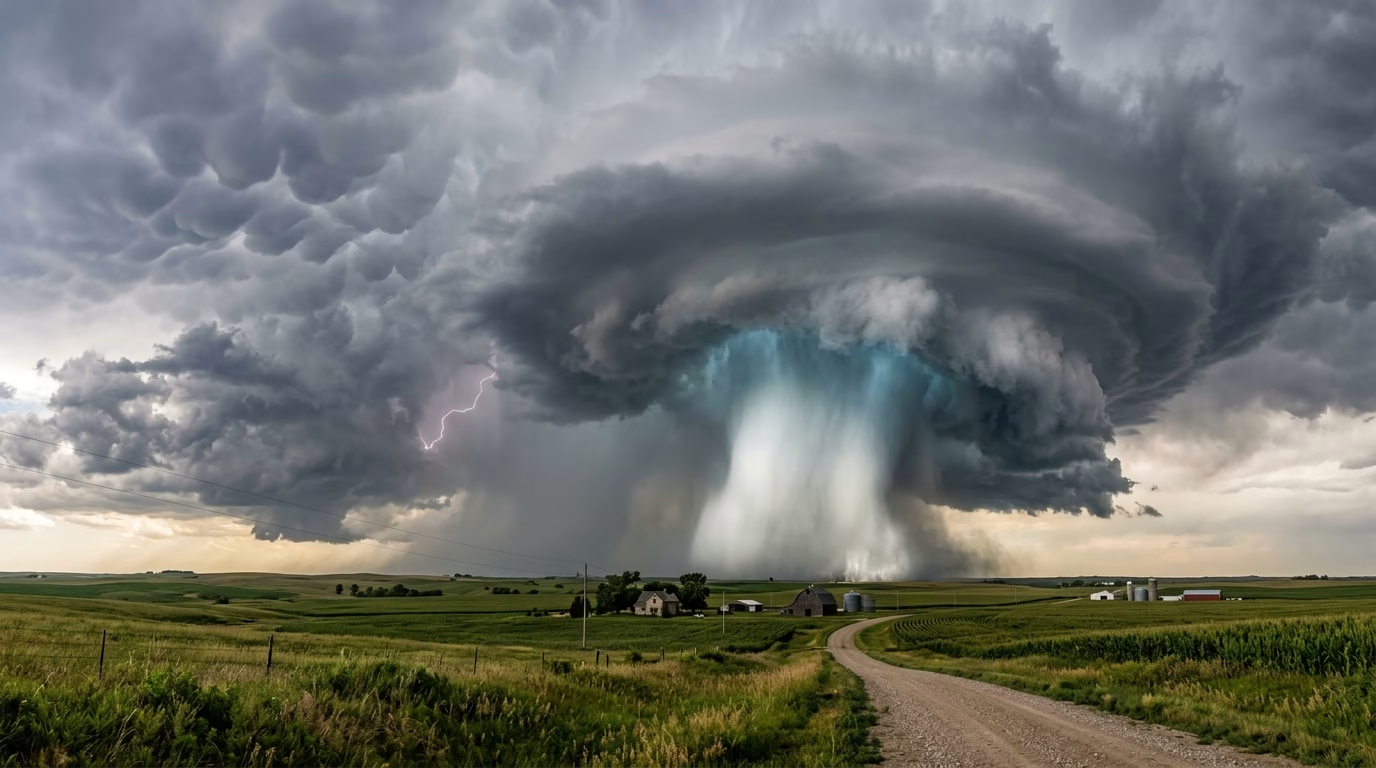
Why Hail Is Such a Big Deal for Cars
Hail damage isn’t just cosmetic (though the dents and dings are certainly annoying). A major hailstorm can:
- Crack or shatter windshields and side windows
- Dent hoods, roofs, trunk lids, and door panels
- Strip paint, leaving metal exposed to rust
- Damage mirrors, antennae, and exterior trim
- In severe cases, total a vehicle outright
The size of the hailstone makes a significant difference in the level of damage you can expect:
| Hail Size | Approximate Diameter | Potential Vehicle Damage |
|---|---|---|
| Pea | 0.25 inches | Minimal to none |
| Marble / Mothball | 0.50–0.75 inches | Light dents on soft panels |
| Dime / Penny | 0.75 inches | Noticeable dents, possible paint damage |
| Quarter | 1.00 inch | Significant denting across multiple panels |
| Half Dollar | 1.25 inches | Severe denting, possible glass damage |
| Golf Ball | 1.75 inches | Extensive damage, glass breakage likely |
| Baseball | 2.75 inches | Catastrophic damage, potential total loss |
In Omaha and the surrounding area, quarter-to-golf-ball-sized hail is not uncommon during active storm seasons, typically running from late spring through early fall.