
Here’s something worth thinking about: the average driver makes about 400 decisions per hour behind the wheel. Most of them are so automatic we don’t even notice — adjusting speed, checking mirrors, scanning intersections.
But all it takes is one missed decision, one moment of distraction, one patch of black ice, and everything changes.
That’s exactly why the safety technology coming standard on today’s vehicles is such a big deal. Not because it drives the car for you — it doesn’t — but because it catches the mistakes that humans inevitably make.
If you’re shopping for a vehicle in 2026, here’s a plain-English look at the features worth paying attention to, and why they matter more than any horsepower number or infotainment upgrade.
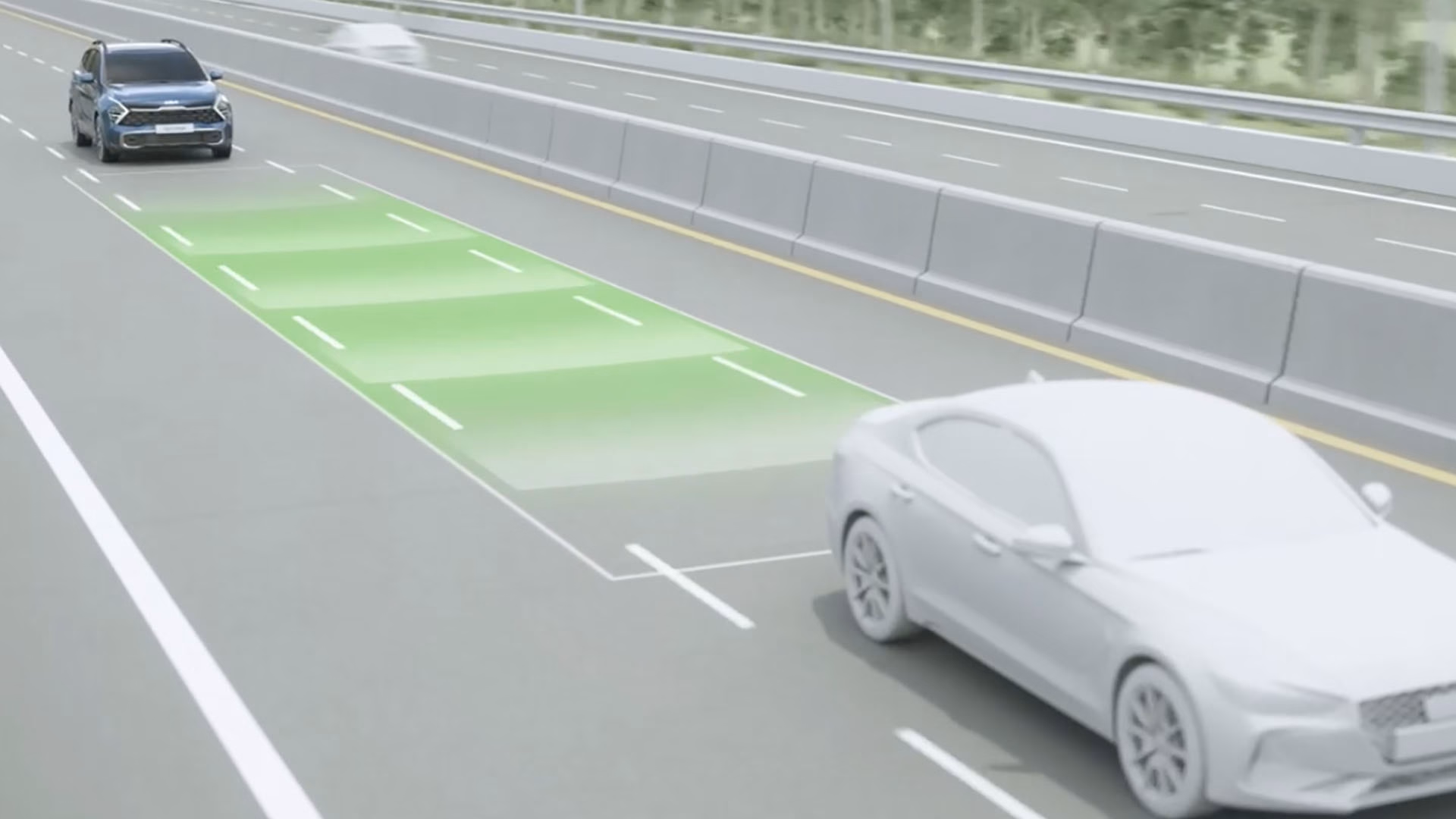
Quick Reference: 2026 Safety Features at a Glance
| Feature | What It Does | Active or Passive? |
|---|---|---|
| Automatic Emergency Braking (AEB) | Brakes automatically to avoid or reduce collisions | Active |
| Pedestrian & Cyclist Detection | Identifies vulnerable road users in the vehicle’s path | Active |
| Rear Automatic Braking | Stops the car during low-speed reversing if an object is detected | Active |
| Lane Departure Warning | Alerts the driver when drifting out of the lane | Active |
| Lane Keeping Assist | Gently steers the car back into the lane | Active |
| Blind Spot Monitoring | Warns of vehicles in blind spots; some versions intervene | Active |
| Adaptive Cruise Control | Adjusts speed to maintain safe following distance | Active |
| Traffic Jam Assist | Manages acceleration, braking, and steering in stop-and-go traffic | Active |
| Intelligent Speed Assist | Alerts or limits speed based on posted speed limits | Active |
| Adaptive Headlights | Pivots beams with steering input for better nighttime visibility | Active |
| 360° Camera with AI Recognition | Identifies and flags hazards around the entire vehicle | Active |
| Head-Up Display (HUD) |