
If you’ve ever shopped for a new vehicle, you’ve probably seen both numbers plastered on the window sticker — the miles per gallon (MPG) rating and an estimated fuel range.
They’re related, sure, but they’re not the same thing, and mixing them up can lead to some real-world headaches.
Like that moment when your dash says you have 40 miles of range left and you’re convinced you can make it to the next exit. Spoiler: sometimes you can’t.
Let’s break down what each number actually means, how they work together, and why neither one tells the whole story on its own.
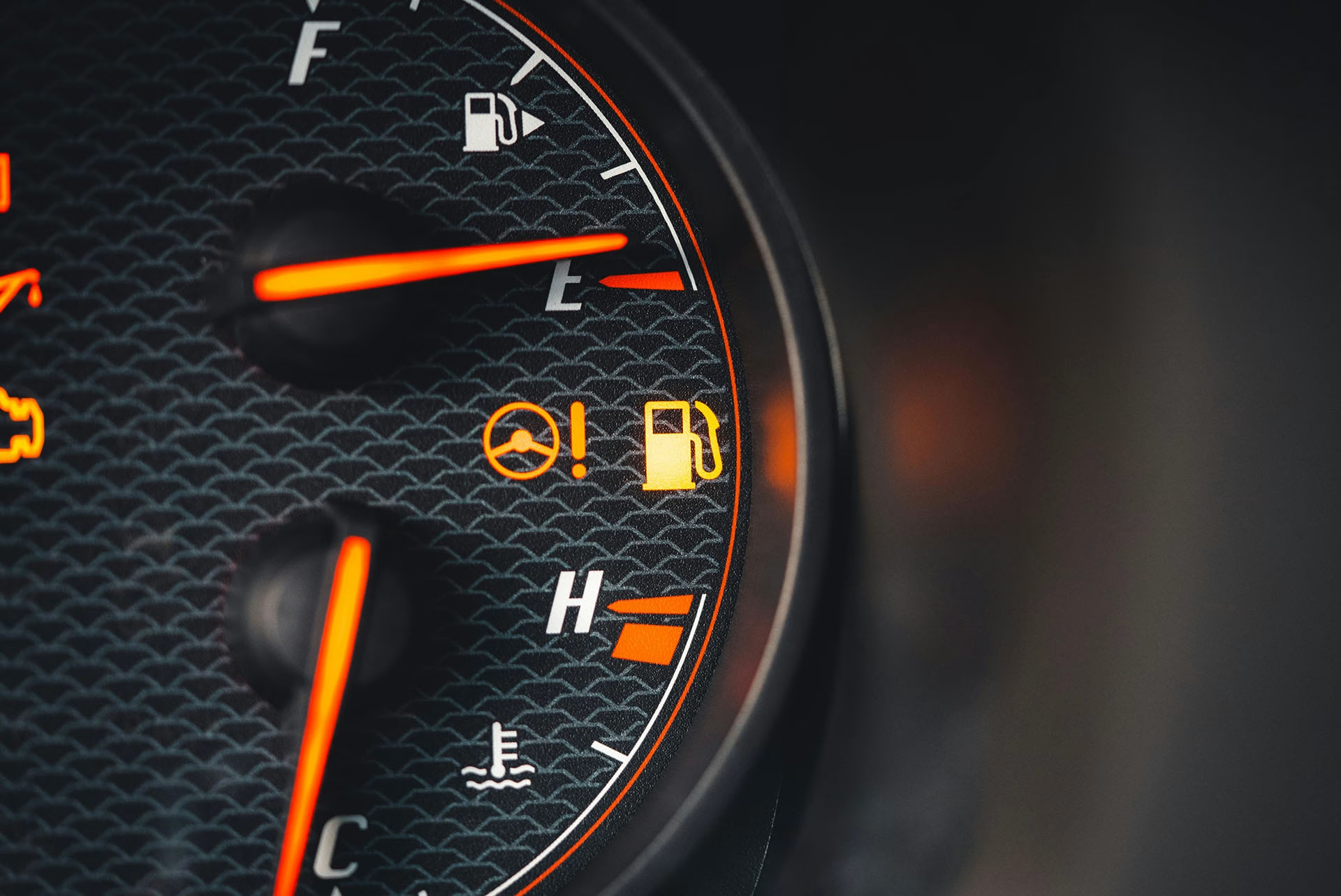
What Is MPG (Miles Per Gallon)?
MPG is a measurement of fuel efficiency — specifically, how many miles your vehicle can travel on a single gallon of fuel. It’s the universal standard used in the United States to rate and compare vehicles.
The EPA (Environmental Protection Agency) assigns MPG ratings to every new vehicle sold in the U.S. through a standardized testing process. You’ll typically see three numbers:
| MPG Rating | What It Measures |
|---|---|
| City MPG | Fuel efficiency in stop-and-go urban driving |
| Highway MPG | Fuel efficiency at steady highway speeds |
| Combined MPG | A wei |